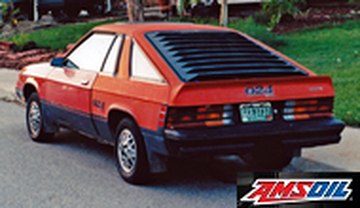
Maintaining Lubrication Integrity for the 1981 Dodge OMNI 2.2L
Proper engine care for a vehicle of this era requires a focus on consistent monitoring and proactive inspection. For owners of a 1981 Dodge OMNI equipped with the 2.2L engine, maintaining the lubrication system is a fundamental aspect of long-term mechanical health. Because older engines rely on precise tolerances and effective fluid properties to manage friction and heat, staying attentive to how the engine operates can prevent more significant issues down the road.Monitoring Fluid Condition and Potential Leaks
One of the most effective ways to monitor the health of the 2.2L engine is through regular visual inspections for any signs of fluid loss or seepage. Over time, various gaskets and seals may undergo changes in their ability to maintain a tight seal. It is useful to inspect the area around the engine block and the underside of the vehicle for any evidence of wetness or staining that could indicate a slow leak. When performing these checks, look for:- Evidence of seepage around sealing surfaces.
- Drips or puddles forming on the ground beneath where the vehicle is parked.
- Discoloration on engine components that might suggest oil has contacted hot surfaces.
Prioritizing Maintenance Based on Current Condition
As vehicles age, the approach to maintenance often shifts from strictly following a calendar to assessing the actual condition of the components. For a 1981 Dodge OMNI, this means prioritizing tasks based on what the engine actually requires at any given moment. If you are stepping into ownership without a complete service history, establishing a baseline is an excellent first step. To establish this baseline, consider reviewing any available documentation regarding past repairs or fluid changes. If no records exist, begin by performing a thorough inspection of all accessible fluids and mechanical components. This allows you to distinguish between routine preventive maintenance—such as changing the oil according to the application information provided on this page—and more urgent needs, such as addressing an active leak or replacing a component that shows visible signs of wear. Focusing on the current state of the vehicle rather than just its age helps ensure that resources are directed toward the most impactful maintenance tasks. This condition-based approach is often more effective for managing older engines than simply following generic age-based replacement schedules.Observing Operational Changes and Warning Signs
Staying attuned to the way the 2.2L engine sounds and feels can provide valuable clues about its internal state. While modern vehicles use many electronic sensors to alert drivers, older systems often rely more heavily on mechanical feedback and driver observation. Changes in the smoothness of engine operation or unusual noises during startup or idling should not be ignored. For example, if you notice a change in how the engine responds under load, or if there are new sounds that were not present previously, it is wise to investigate. Similarly, keep an eye on any dashboard indicators that may illuminate during operation. An oil-related warning light requires immediate attention to prevent potential damage. It is also helpful to monitor the appearance of the lubricant itself during routine checks. While some level of darkening is expected as oil undergoes its service life, extreme changes in texture or color can sometimes be associated with internal engine processes or contamination.Managing Aging Components and Systems
Beyond the lubrication system, several other areas require attention to ensure the 1981 Dodge OMNI remains reliable. When inspecting the engine bay, it is practical to look at various peripheral components that are subject to heat and vibration. If equipped, inspect accessible drive belts for signs of deterioration such as cracking, fraying, or glazing. Similarly, if the vehicle is equipped with various hoses, check them for softness, bulging, or leaks. Maintaining these secondary systems helps ensure that the engine operates within its intended thermal and mechanical parameters. Electrical connections and wiring should also be inspected for signs of corrosion or brittle insulation, which can affect the overall performance of the engine's management systems. By addressing these smaller details during routine service, you can help prevent them from becoming larger issues later on.Effective Record Keeping for Long-Term Ownership
For anyone committed to the long-term care of a 1981 Dodge OMNI, maintaining a detailed service log is one of the most beneficial habits to adopt. A well-kept record provides a clear history of what has been done, when it was done, and what parts were used. A useful maintenance log should include:- Dates and mileage for every oil change and filter replacement.
- Details on any repairs or component replacements performed.
- Observations regarding fluid levels and any detected leaks.
- Notes on any unusual noises or operational changes noticed during service.
Practical Guidance for Buying Engine Oil for the 1981 Dodge OMNI 2.2L
When it is time to replenish the lubrication in your engine, the most important step is to ensure the product matches the specific requirements of your application. Rather than relying on general assumptions about what an older engine might need, always refer to the vehicle-specific oil viscosity and application information already displayed on this webpage. When you are selecting a product, consider the following:- Match the Viscosity: Ensure the SAE grade matches the information provided for your specific 2.2L engine.
- Check API Certifications: Look for products that meet current quality standards to ensure they provide adequate protection and deposit control.
- Evaluate Formulations: Depending on your needs, you may choose between conventional, synthetic blend, or full synthetic oils. Some high-mileage formulations also contain additives intended for use in aging engines, including seal-conditioning additives.
- Verify the Label: Always double-check the product packaging against the application details on this page before completing your purchase to avoid any errors.